Don't Take Down Your Hummingbird Feeder Just Yet, Westland
Fall migration is underway, but keeping a feeder in the backyard can give late travelers an important source of energy before they head south.
If you've been watching hummingbirds dart around your Westland backyard all summer, you may be wondering when it's time to take the feeder down.
The answer might surprise you.
Don't be in a hurry.
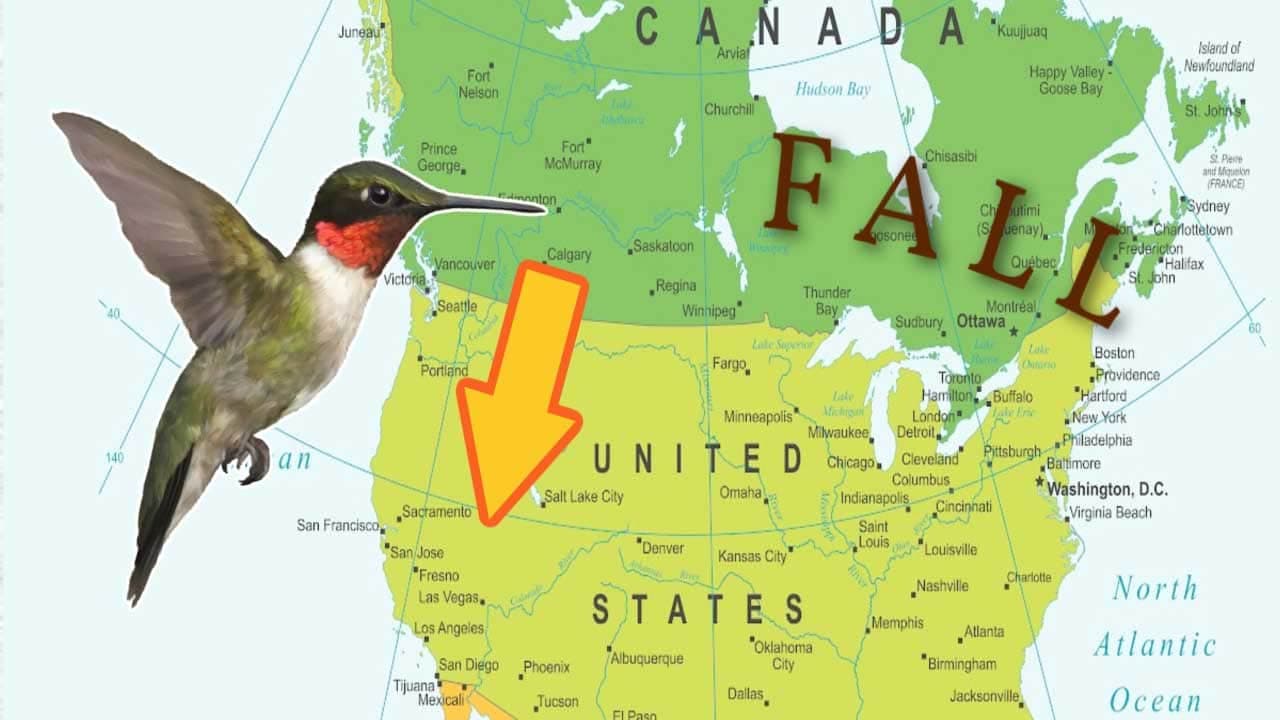
Late August and September are an important part of the hummingbird migration season in Michigan. While some birds begin heading south as summer winds down, others are still passing through.
For Westland residents, that means the tiny visitors in your backyard may not be finished with Michigan just yet.
Michigan's hummingbird population reaches its annual peak around late August, according to recent migration data based on eBird observations. Activity then drops sharply through September, with hummingbirds in southeast Michigan generally hanging around later than birds in northern parts of the state. Most Ruby-throated Hummingbirds are gone by early October.
Leaving the feeder up won't stop them from migrating
One of the most common pieces of advice passed around among backyard bird enthusiasts is that you should take your feeder down so hummingbirds will know it is time to leave.
That's not how migration works.
Hummingbird migration is driven primarily by changes in daylight and other seasonal cues, not by whether someone in Westland has a feeder hanging in the backyard.
Leaving a feeder available does not trap the birds here or prevent them from migrating.
In fact, the extra food can give them additional energy as they prepare for the long trip south.
And these birds have quite a trip ahead of them.
That little bird in your backyard has a long journey ahead
The Ruby-throated Hummingbird is the hummingbird most Westland residents are likely to see.
Many of these birds will eventually travel thousands of miles south toward Mexico and Central America.
Fall migration is different from spring migration, too. Hummingbirds generally make the trip alone rather than traveling together in flocks. Even young birds making their first migration undertake the journey without their parents.
That makes the few extra calories provided by a clean backyard feeder particularly useful.
Keep the feeder clean
If you're going to keep feeding hummingbirds this fall, there is one thing that matters more than anything else:
Keep the feeder clean.
Sugar water can spoil quickly, particularly when temperatures remain warm.
Check the nectar regularly and replace it when necessary. Clean the feeder rather than simply topping off old nectar with new nectar.
A simple sugar-water mixture is generally made with one part white granulated sugar to four parts water.
There is also no need to add red food coloring.
The feeder itself provides enough visual attraction, and artificial coloring isn't necessary.
What about October?
This is where things get interesting.
Seeing fewer hummingbirds does not necessarily mean every bird has already left.
Migration is not an exact calendar event. Birds move according to conditions, food availability and their own biological cues.
Current Michigan migration data shows a sharp decline during September, with most Ruby-throated Hummingbirds gone by early October. Southeast Michigan, including Wayne County, tends to hold birds later than northern Michigan.
Some birding experts recommend leaving feeders available for a couple of weeks after your last hummingbird sighting because late migrants can still pass through.
So if you stop seeing your regular backyard visitor, there is no reason to immediately take the feeder down.
Give it some time.
You might get another visitor.
Westland's backyard migration watch
For Westland residents, this is actually a pretty good time to pay attention.
Keep an eye on your feeder during the next several weeks. You may see fewer hummingbirds than you did during the summer, but the ones that remain are on their way south.
And if you see a hummingbird you've never seen before, take a picture if you can.
Most of what you'll see around Westland will be Ruby-throated Hummingbirds, but fall migration can occasionally produce unusual visitors farther north and throughout the Great Lakes region.
There is also something satisfying about knowing that the tiny bird hovering over a feeder in a Westland backyard may soon be making a journey that stretches far beyond Michigan.
So before you put the feeder away for the season, give it another few weeks.
The hummingbirds aren't done with Westland yet.
Brian R. Hopkins
Editor-in-Chief, Voice of Westland