A Westland Address. A Federal Investigation. And a Question About What Happens Online.
Federal investigators say an online investigation led them to a Westland home. What should parents know about the people their children encounter online?
WESTLAND, MI ...It started with an anonymous tip.
Not a 911 call. Not a police report from a neighbor.
An online complaint alleging that a man was threatening and blackmailing people through social media including minors.
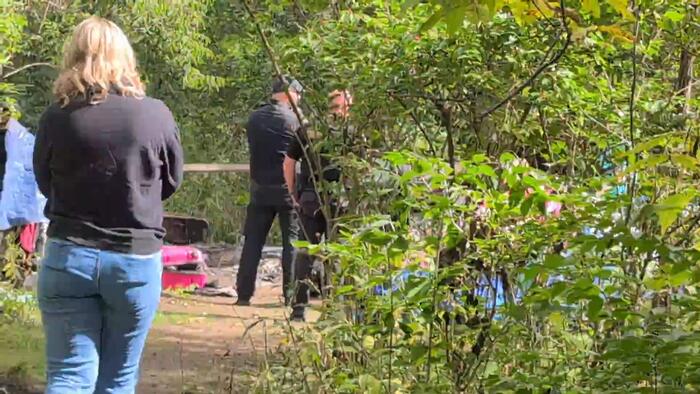
According to the FBI, that tip eventually led federal investigators to a Westland residence and to a 30-year-old Westland man now facing federal charges involving child sexual-abuse material.
The case is a disturbing reminder that some of the most serious threats facing children may never happen on a street corner, at a park or outside a school.
They can happen through a screen.
And they can happen inside a Westland home.
The investigation began online
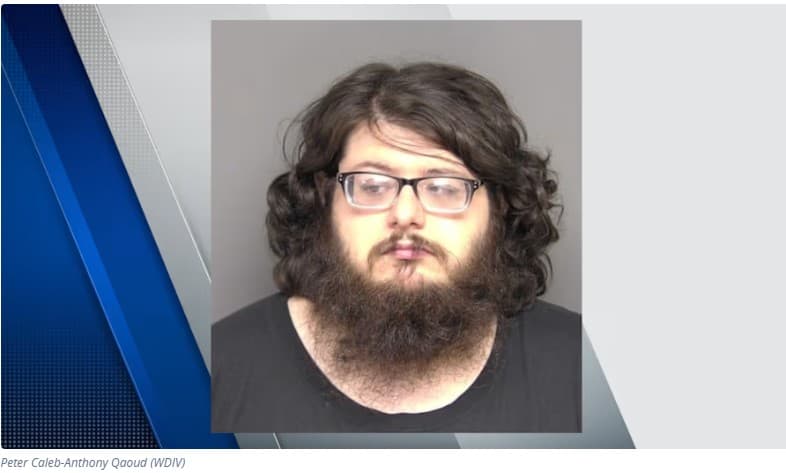
According to federal investigators, the FBI received an anonymous tip in May 2026 alleging that Peter Caleb-Anthony Qaoud, 30, of Westland, was threatening and blackmailing people online, including minors.
The tip alleged that Qaoud was using online communities including Discord and VRChat and that some of the people he was allegedly targeting could be underage.
The FBI then discovered an Instagram cybertip that had been submitted to the National Center for Missing & Exploited Children months earlier.
According to the FBI, Instagram had turned over chats and media files connected to an account whose user identified herself as 16 years old.
Investigators say the resulting evidence led them toward Qaoud.
According to the federal complaint, investigators obtained subscriber information from internet and telecommunications providers. Comcast records allegedly identified Qaoud's Westland residence as the subscriber address, while other records and location information also connected him to that residence.
A Westland connection but a much bigger problem
Qaoud was arrested and subsequently indicted in federal court.
According to ClickOnDetroit, he faces federal charges including receipt and possession of child pornography. Earlier reporting said the charges also included production and attempted production.
If convicted, he could face significant federal prison time.
But there is something important that should not get lost in the headlines:
These are allegations. Qaoud has not been convicted, and he is presumed innocent unless and until proven guilty in court.
The federal case will ultimately be decided by the evidence presented in court.
But the investigation raises a question that reaches far beyond one defendant.
How safe are Westland's kids online?
That question doesn't belong only to police or federal investigators.
It belongs to parents.
It belongs to schools.
And it belongs to every adult who has a child carrying a smartphone.
The FBI says the investigation began because someone saw something troubling and reported it.
That anonymous tip mattered.
Without it, investigators may not have made the connection between the alleged online activity, the social-media accounts and the Westland residence.
That should get every parent's attention.
The new front door isn't the front door
For generations, parents worried about who their children were talking to in the neighborhood.
Who was hanging around the playground?
Who was getting into a car?
Who was knocking on the door?
Today, the door can be a username.
The neighborhood can be an online gaming community.
The conversation can happen through disappearing messages.
And a stranger can potentially build a relationship with a child without ever stepping onto the same street.
According to the FBI, investigators in this case were dealing with allegations involving several online platforms, including Instagram, Snapchat, Discord and VRChat.
That is the part parents should pay attention to.
This isn't about telling children to stay off the internet.
That's unrealistic.
It's about recognizing that the internet is now part of the neighborhood.
And one anonymous tip changed everything
The person who contacted the FBI didn't know where the investigation would lead.
According to federal investigators, the tip alleged threats and blackmail involving people who may have been minors.
Investigators followed the digital trail.
Instagram had already submitted a cybertip to NCMEC.
Federal agents obtained records.
And investigators ultimately connected the digital accounts to a Westland residence.
That's a remarkable chain of events.
And it raises another question:
How many warning signs get reported and how many never do?
Because this case didn't begin with investigators simply stumbling across a crime.
It began because someone said something.
What should Westland parents do?
Parents don't need to become cybersecurity experts.
But they should know what platforms their children are using, who their children are communicating with and whether someone online is asking them to keep conversations secret.
Parents should also take threats, blackmail or requests for sexually explicit material involving minors seriously.
If a child receives a threatening or inappropriate message, don't delete it immediately. Preserve the evidence and report it to the appropriate platform and law enforcement.
And if you believe a child is being sexually exploited online, federal authorities and the National Center for Missing & Exploited Children have reporting mechanisms specifically designed for these situations.
The question Westland should be asking
The federal case against Qaoud is now moving through the court system.
The allegations will be tested in court.
But the broader lesson doesn't need a verdict.
A Westland address became part of a federal investigation that began with allegations of online threats and exploitation involving minors.
That should make every parent stop scrolling for a moment.
Because the question isn't simply:
"Who is this man?"
The bigger question is:
Who is talking to our kids online and would we know if something was wrong?
Voice of Westland will continue following this federal case as it moves through the courts.
Editor's note: The defendant is presumed innocent unless and until proven guilty. This article describes allegations contained in federal court records and reporting by ClickOnDetroit; it does not state or imply that the allegations have been proven